Gamma Mobility — Helping Gig Workers in Africa

Project Name
Gamma Mobility
App
Role
UX Design
Product Strategy
Visual Design
Product Design
UX Research
Date
Mobile App 2022
Live!
The Gamma Mobility App is an All-in-One Solution for Mobility Entrepreneurs in Africa. Gig workers are often deemed high-risk by traditional financial institutions, leading to limited access to financial services.
This results in a lack of credit and savings, leaving them vulnerable to financial shocks. This app is built to bridge this gap. With the App, users can take charge of finances by working, earning, and receiving payments, track repayments, request working capital and earned wages.
As the lead designer on the team, I was saddled with the responsibility to create a seamless and intuitive user experience that encourages engagement and promotes user retention.
This involves conducting user research to gain a deep understanding of the target audience; the Gig economy, their needs, and how they interact with mobile apps. I used that knowledge to create wireframes, prototypes, and designs that focus on enhancing the user experience.
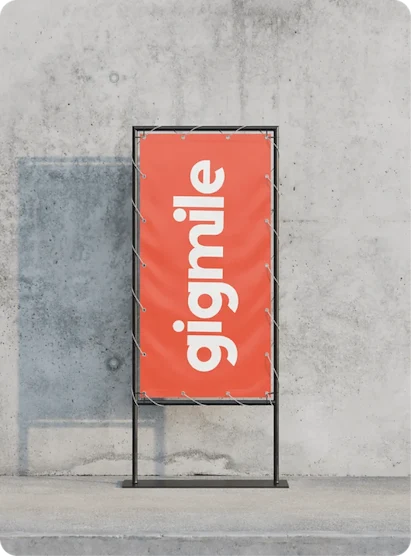
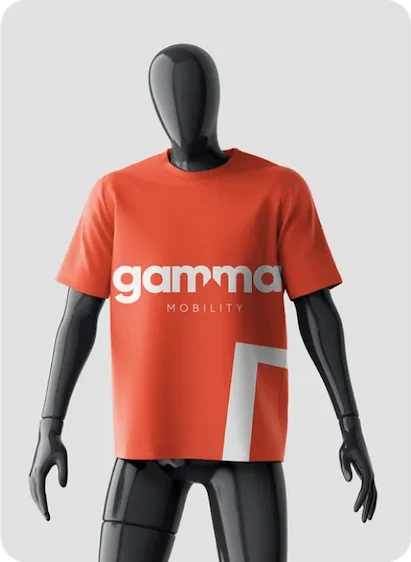
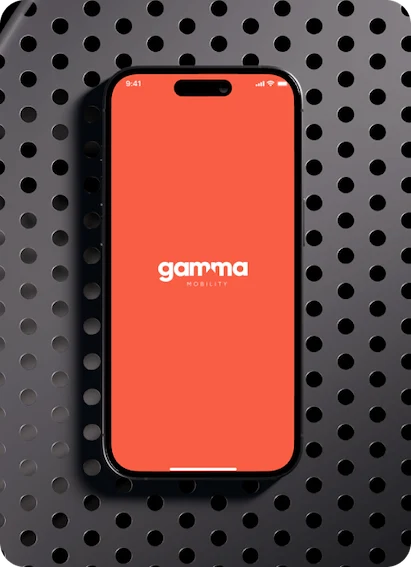
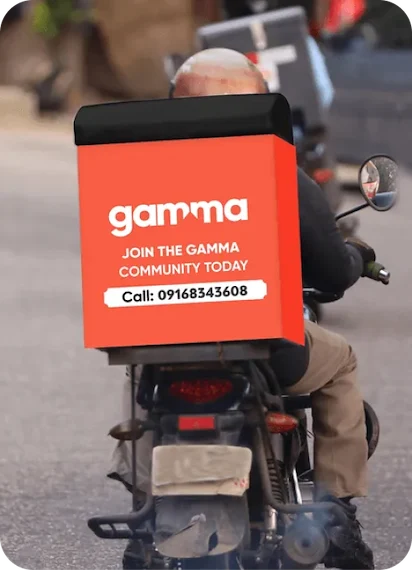
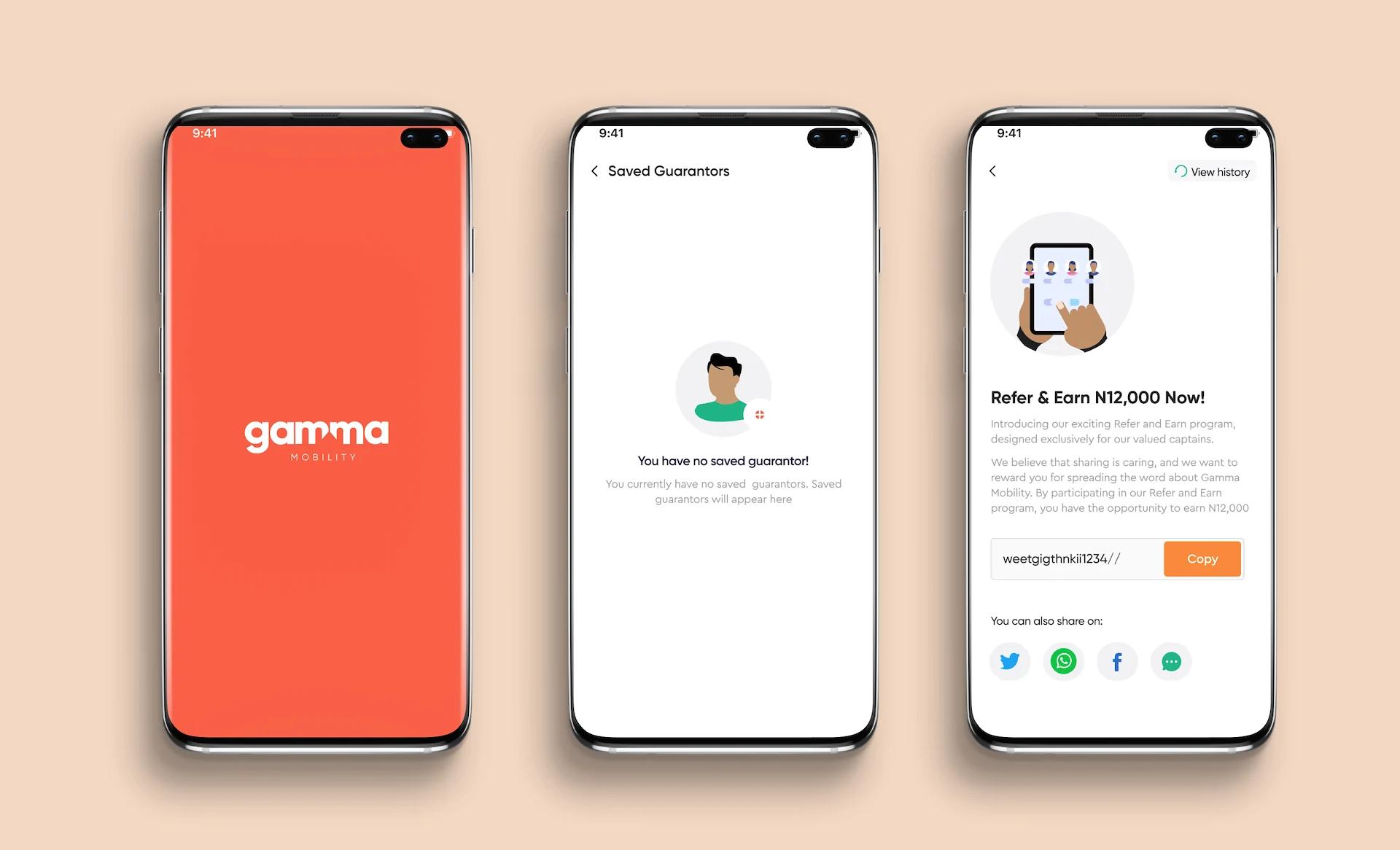
Key screens from the Gamma Mobility experience
The Gig Economy
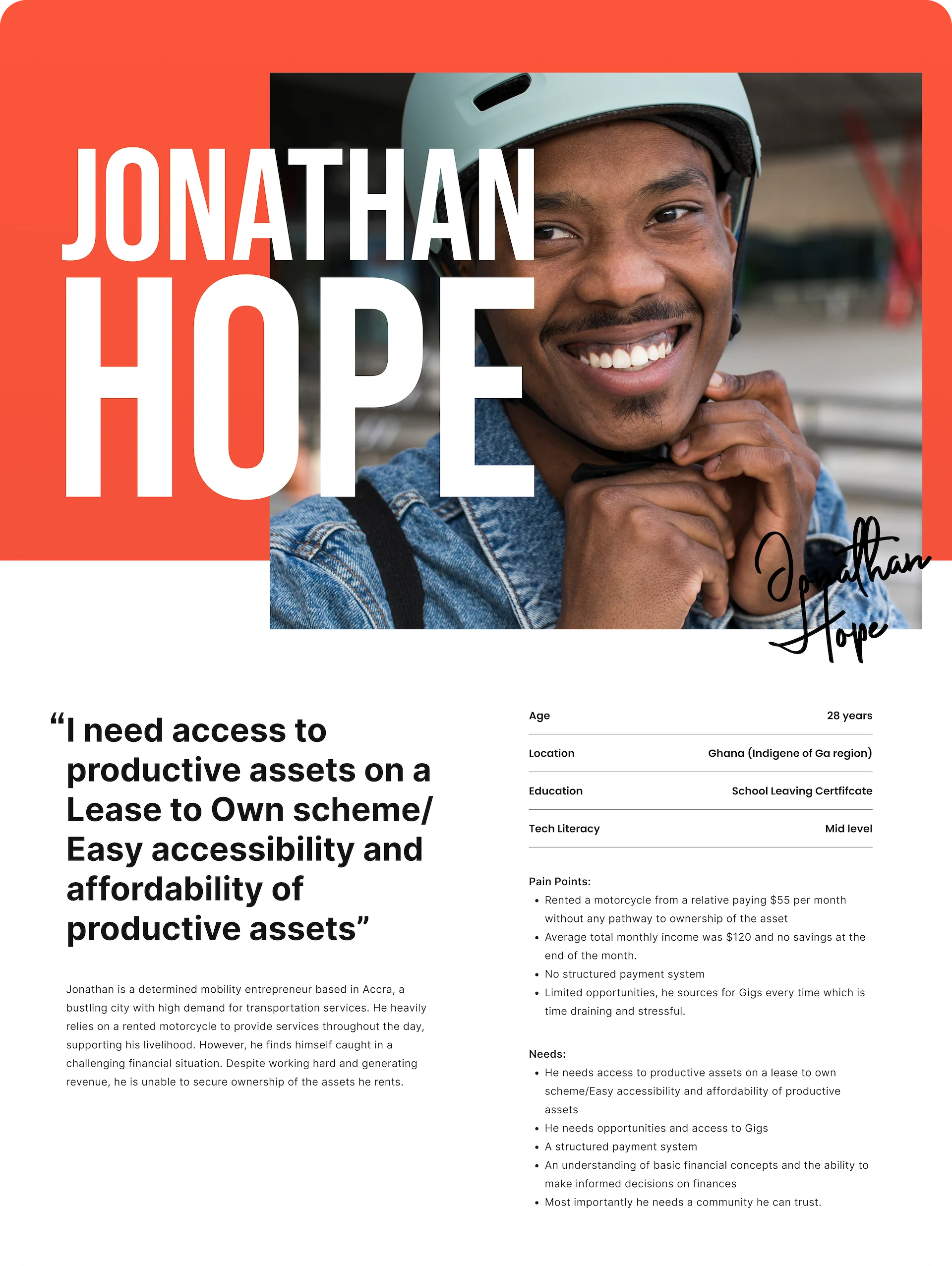
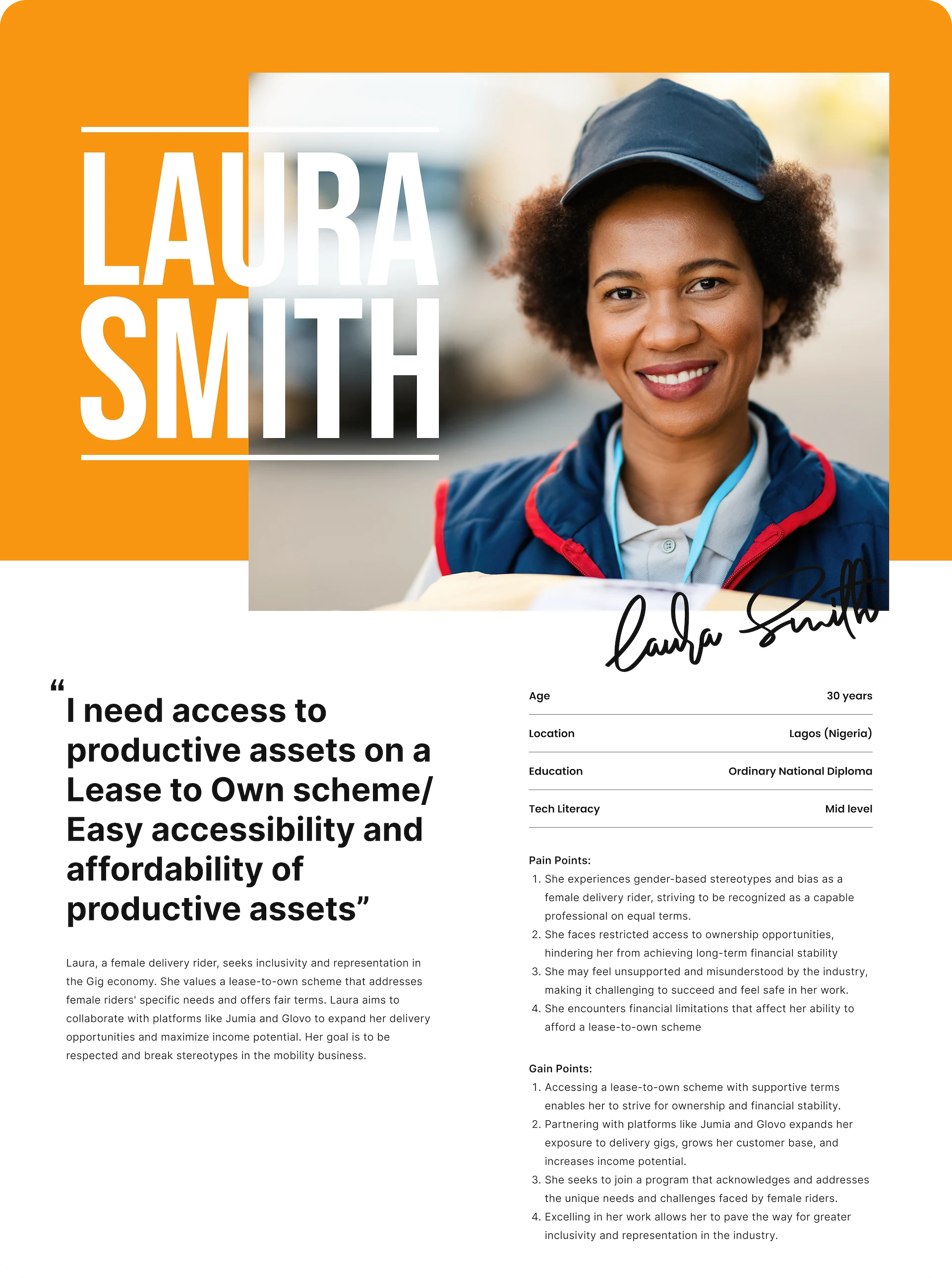
Providing affordable, accessible, and suitable financial services to gig and informal workers zeroing in on riders, delivery workers who have historically been underserved and excluded from financial services is a complex challenge that requires a deep understanding of the needs and behaviours of this population. UX research can play a critical role in designing financial products and services that meet the unique needs of gig and informal workers. Areas of focus for the UX research on financial services for gig and informal workers include:
1. Understanding user needs: Conducted user research to understand the financial needs, goals, and pain points of gig and informal workers. This could include surveys, interviews, and user testing to gain insights into how workers manage their finances, the challenges they face in accessing financial services, and the types of financial products and services that would be most useful to them.
2. Accessibility and affordability: Assessing the accessibility and affordability of financial products and services for gig and informal workers. This involved evaluating the fees associated with different financial products, the ease of requesting financial services and productive assets, and the availability of mobile and online banking services.
3. Financial literacy: Investigated the financial literacy of gig and informal workers, including their understanding of basic financial concepts and their ability to make informed decisions about financial products and services. This involved developing educational resources and tools to help workers improve their financial literacy and make better financial decisions.
4. Trust and security: Examining the trust and security concerns of gig and informal workers, including their concerns about data privacy and the safety of their financial information. This could involve evaluating the security features built into financial products and services and developing strategies to build trust with users.
5. Regulatory compliance: Investigated the legal and regulatory landscape of financial services for gig and informal workers, including the regulatory environment around digital banking and mobile payments. This involved exploring strategies for complying with relevant regulations while still providing affordable and accessible financial services to underserved populations.
Overall, UX research played a very important role to meet the needs of gig and informal workers. By understanding the unique needs and behaviors of this population, we can create financial products and services that are accessible, affordable, and suitable for the needs of these historically underserved and excluded groups.
User Journey Map
After defining the target user or user segment for Gamma Mobility that includes relevant characteristics, goals, motivations, and behaviors, I created a visual representation that outlines the steps and interactions a user goes through while engaging with Gamma Mobility.
This provided a holistic view of the user's experience, highlighting their motivations, emotions at each stage. This helped identify and validate pain points, opportunities for improvement, and areas where user needs can be better addressed.

User journey map across search, discovery, and verification stages
User journey map across training, handover, repayments, maintenance, and offboarding stages
Wireframing
After Identifying the main screens that are essential for a freelancer app, such as the home screen, job search screen, job details screen, profile screen, messaging screen, etc.
We determined the necessary content and features for each screen based on user needs and app requirements. For example, the job search screen will require search filters, job listings, and sorting options. Arranging the content and key components within each screen and ensuring the placement of the UI components provides an intuitive experience.
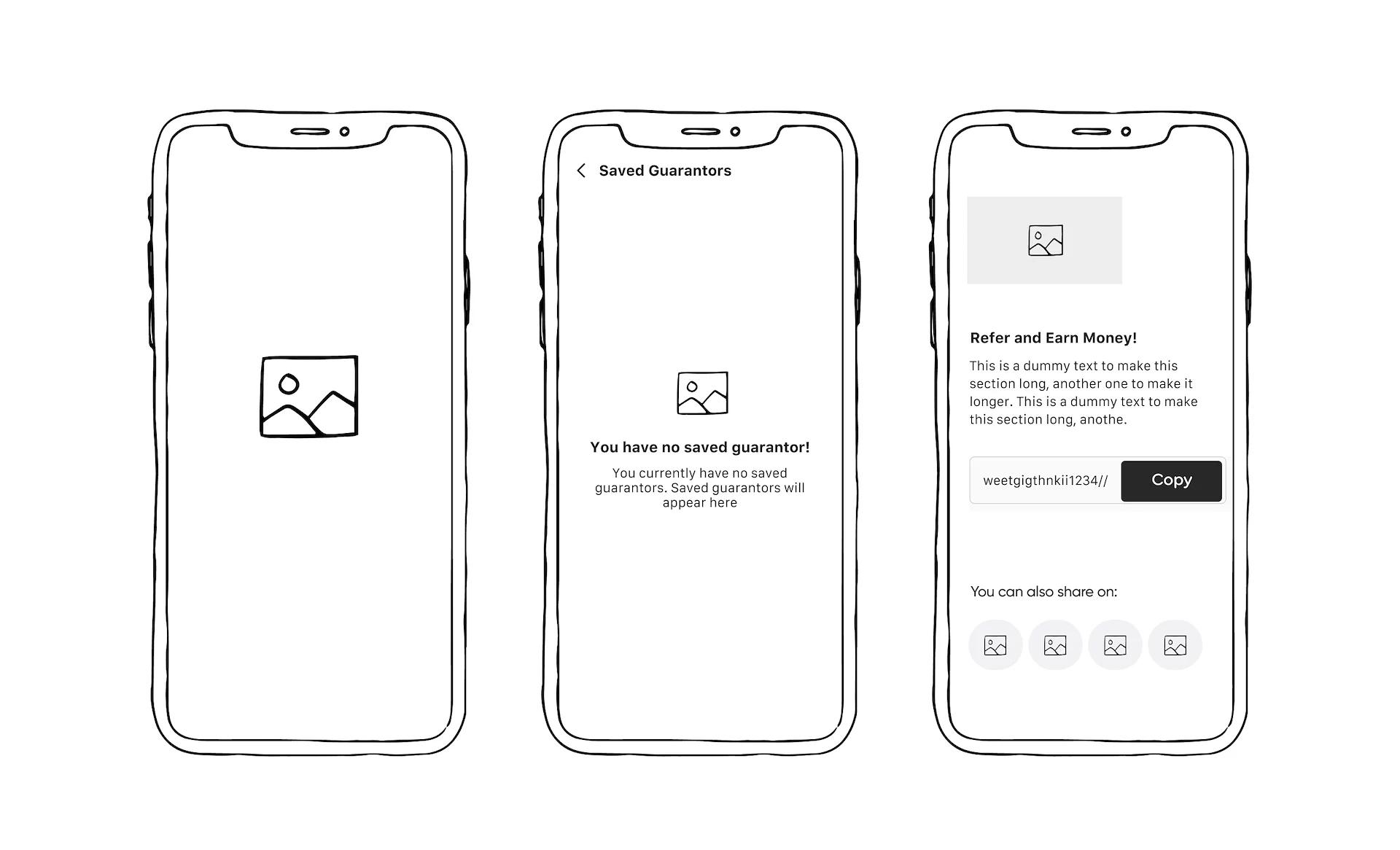
Drag to compare wireframe and high fidelity designs
High Fidelity Designs
User Onboarding — Account Registration
We avoided overwhelming them with excessive information or complex steps. Provided a clear value proposition: Communicated the app's key benefits and value to users upfront. We broke down the onboarding and account registration process into smaller, easily digestible steps.
We personalized the experience: Provided clear navigation and progress indicators which helped users understand where they are in the onboarding process by providing clear navigation cues and progress indicators. The App onboarding UX, or user experience, guides users through the initial setup and familiarization of the Gamma Mobility application. This helps the users understand the app's value, features, and functionality.
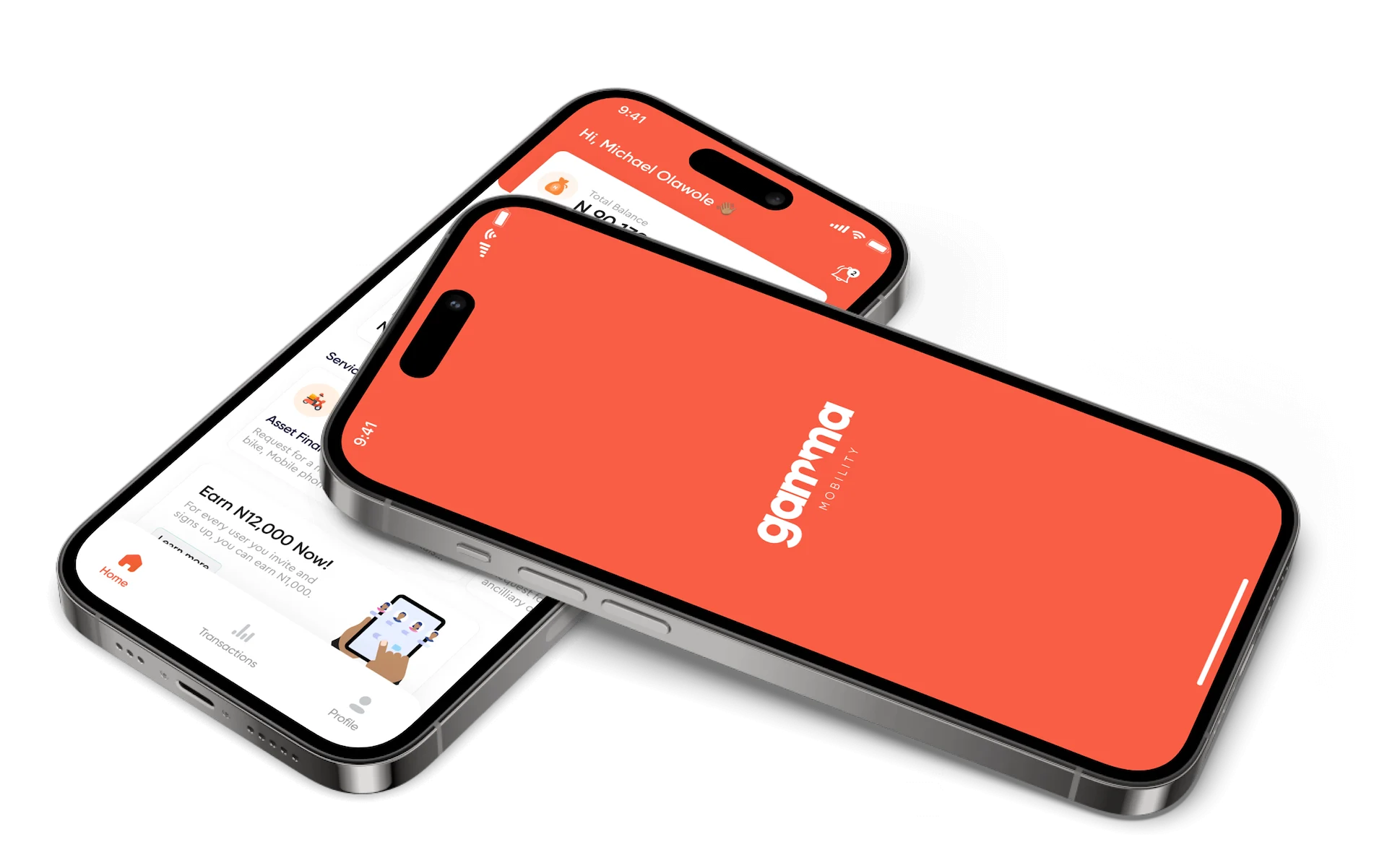
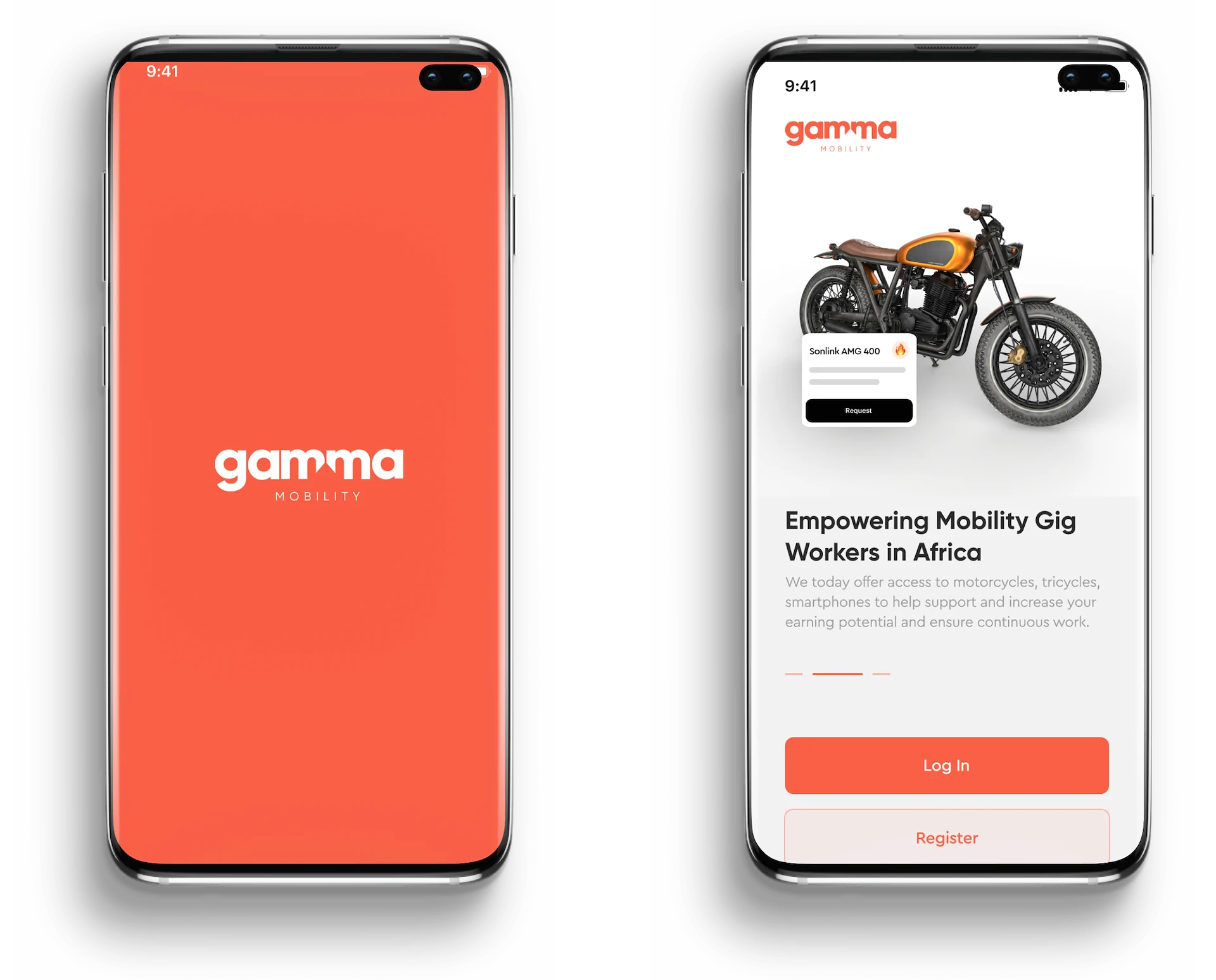
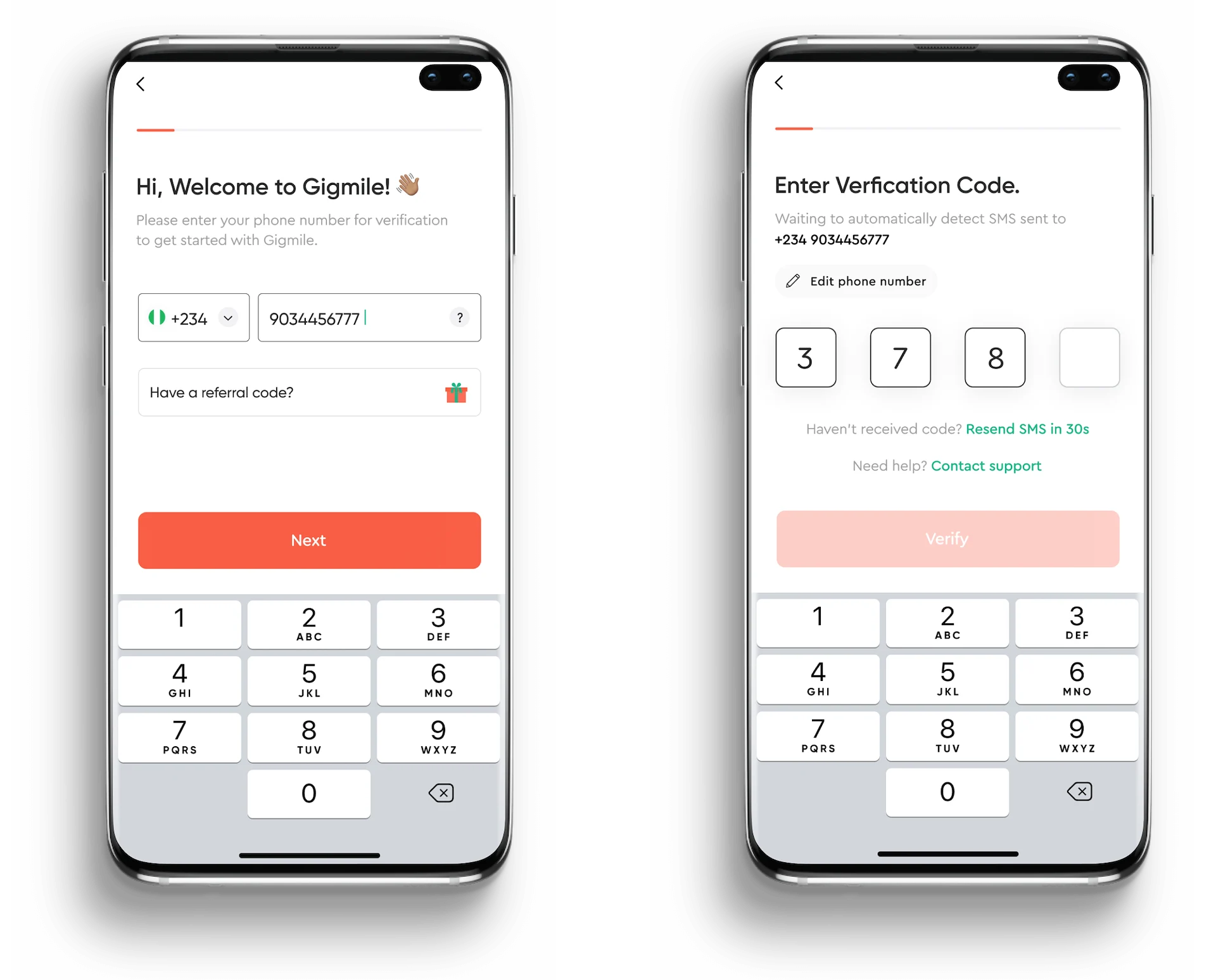
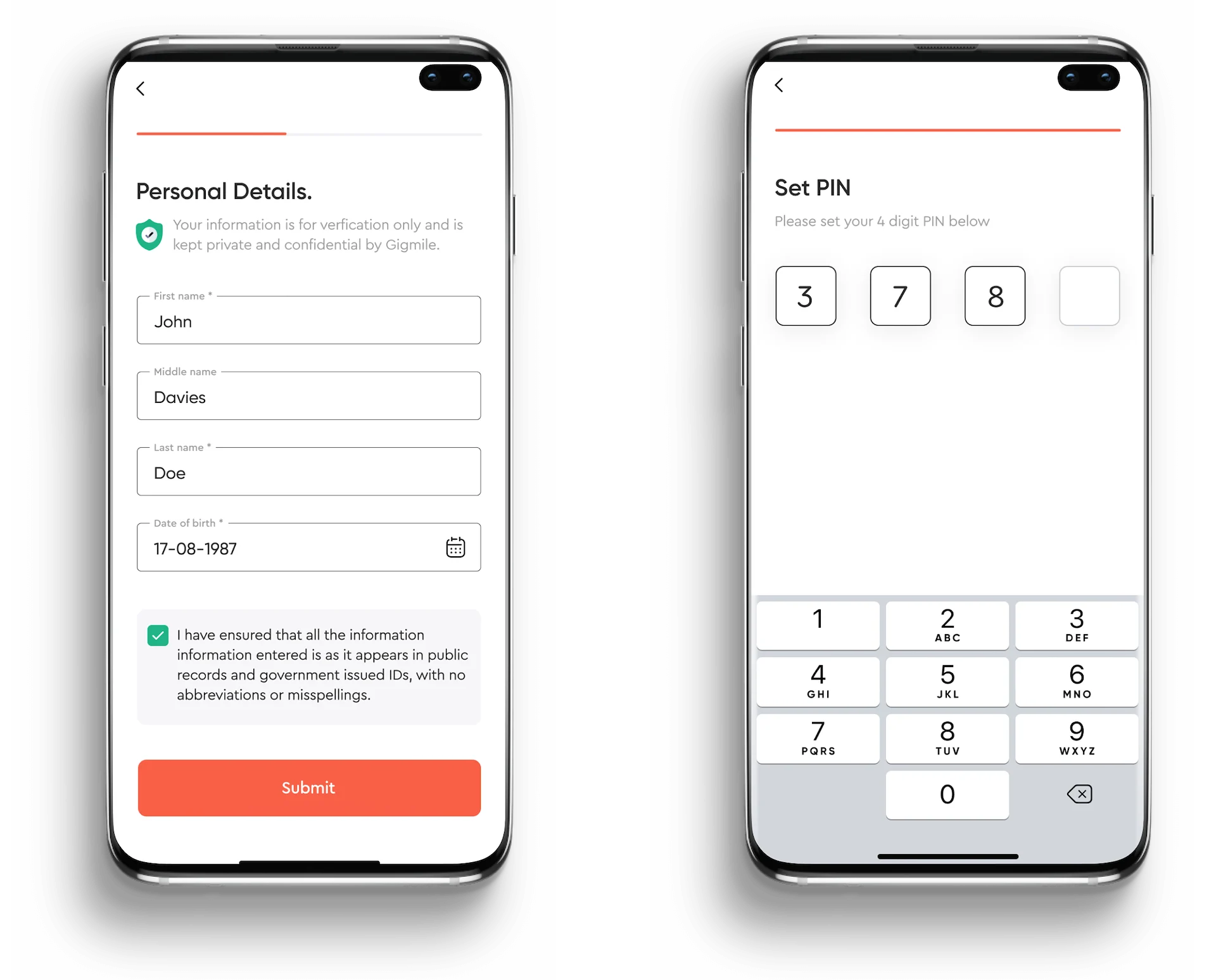
Complete onboarding and registration flow with progress indicators
Account Setup
Identity verification to confirm and validate the identity of a captain to ensure that they are who they claim to be. In the digital world, identity verification is crucial for various online platforms and services, including banking, e-commerce, social media, and more. Document verification: this requires captains to provide official identification documents, such as a passport, driver's license, or ID card. Selfie Verification: this requires captains to take a selfie so we can match their face to the uploaded ID.
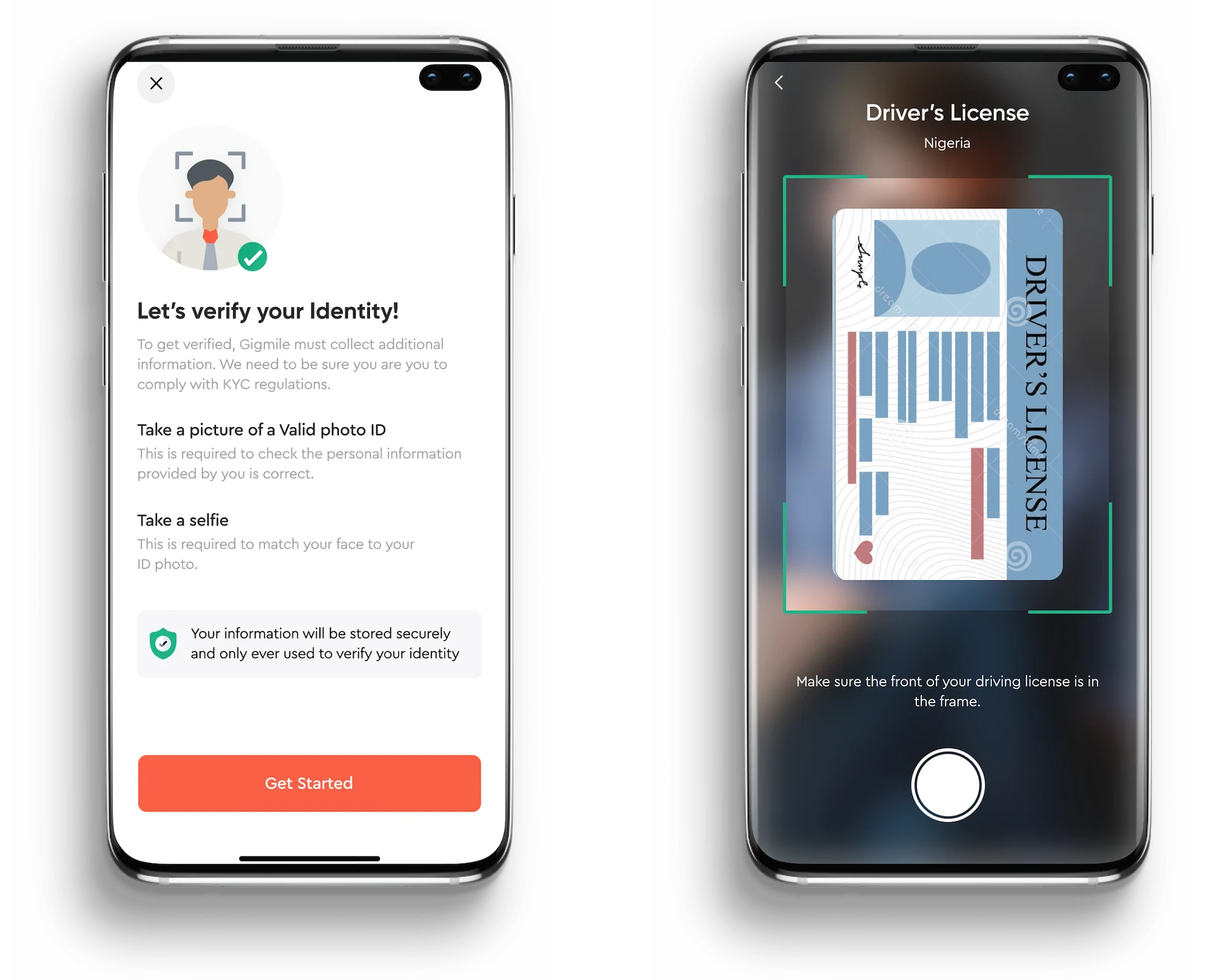
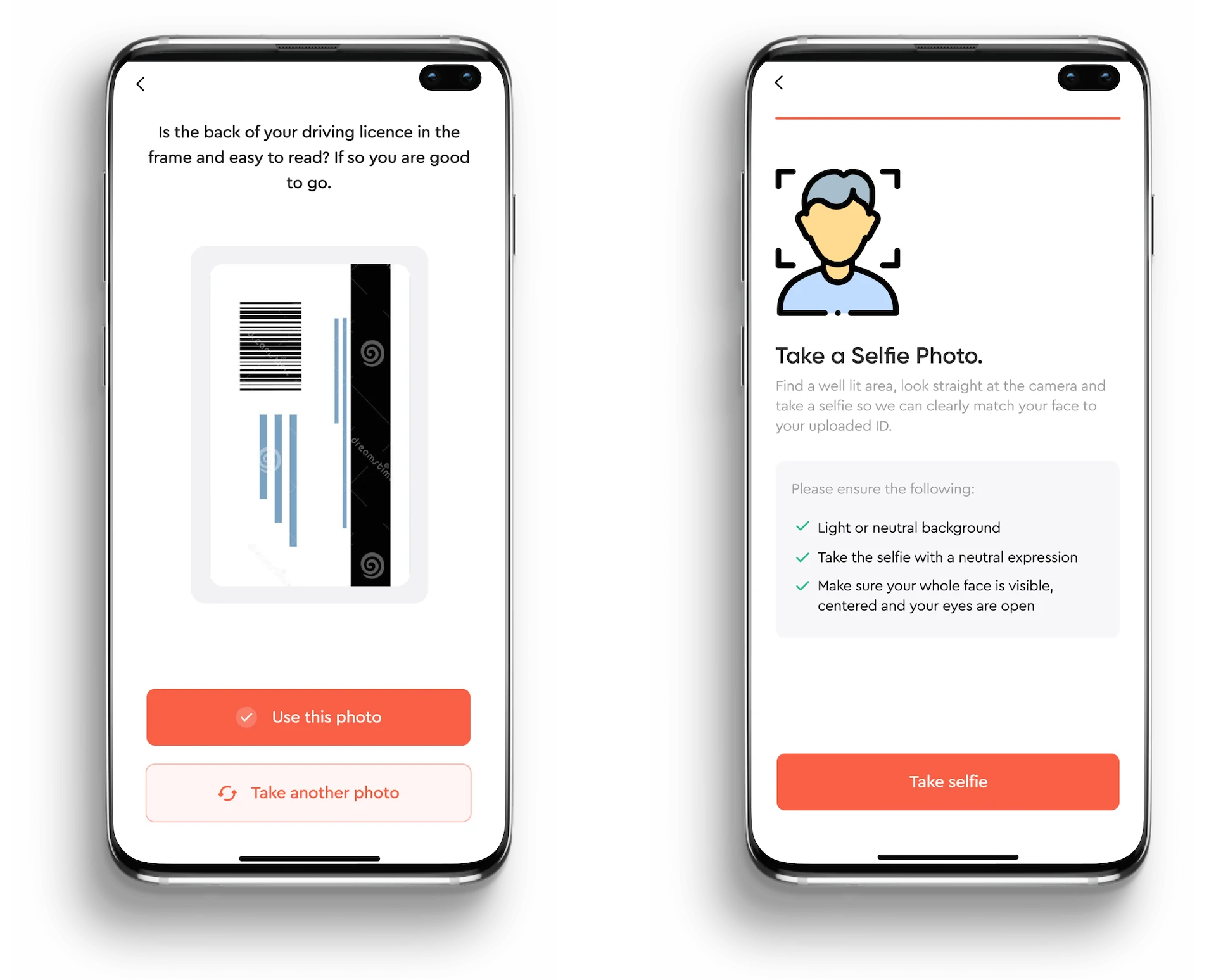
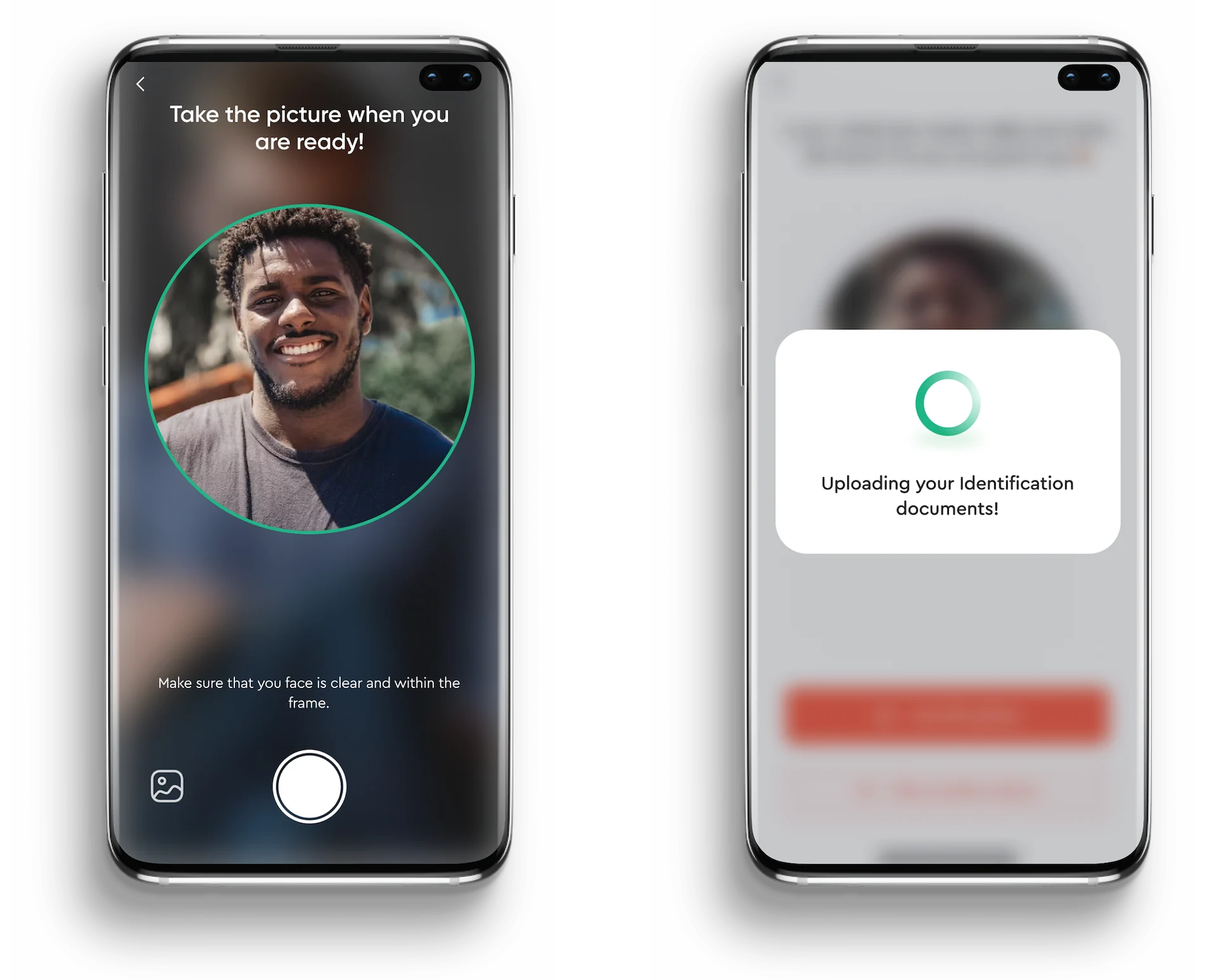
Identity verification, document upload, and selfie verification flow
Asset Requisition
Captains can request for productive assets; motorcycle, mobile phone. The asset requisition flow is pretty simple and straightforward, a captain selects the details of his potential assets. These details include: brand, preferred third party platform to work with, condition of the asset whether it's brand new or used and also state main reason for the request. Once a user submits this request, we access their credit profile criteria to review the creditworthiness of the captain.
These criteria help determine the risk associated with lending money or extending credit to a captain. Once a potential captain credit score checks, a user is directed to a screen where they can view their eligibility status, the asset request breakdown and the repayment terms. The user gets to accept this asset financing terms of service and get started with the guarantors verification process.
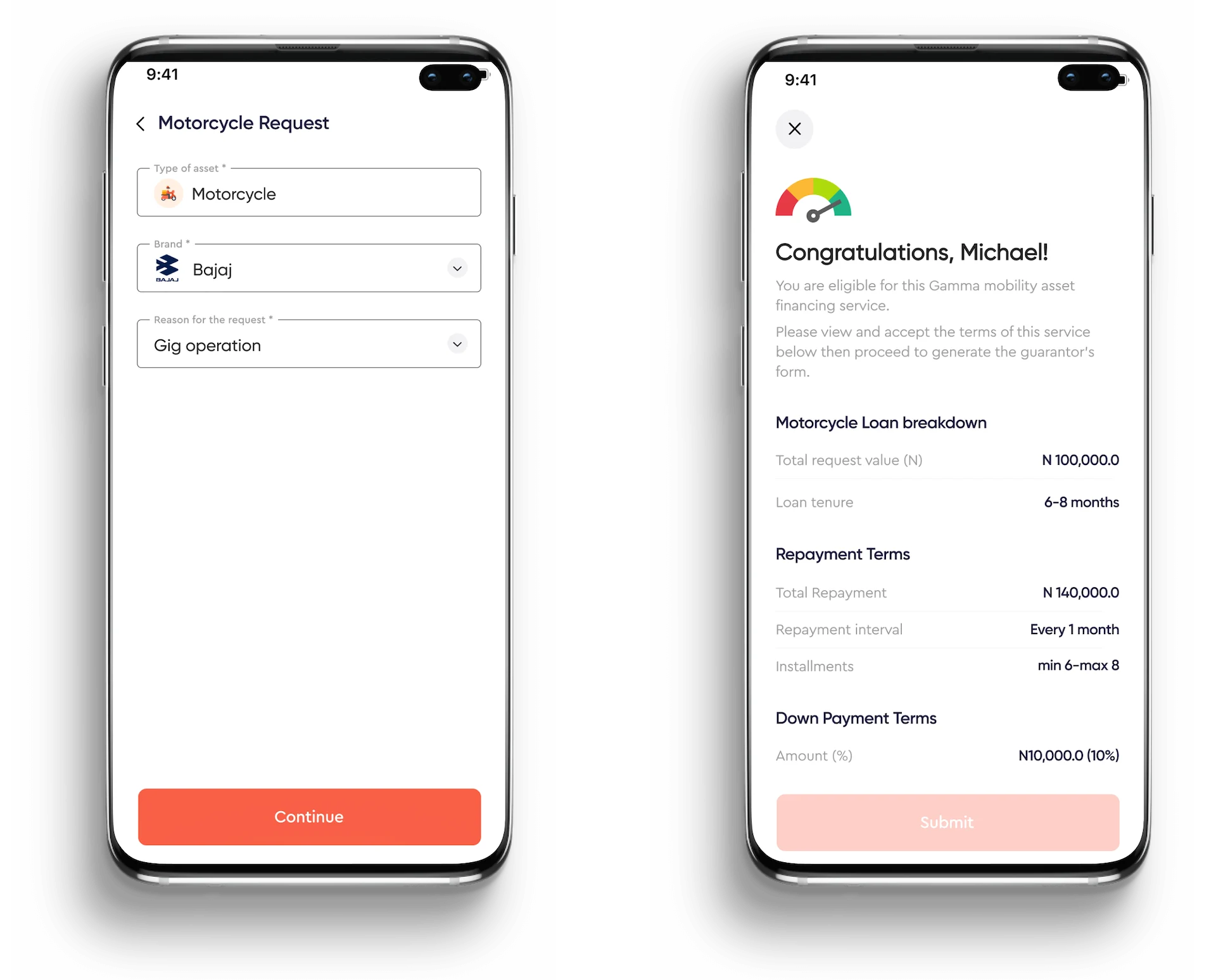
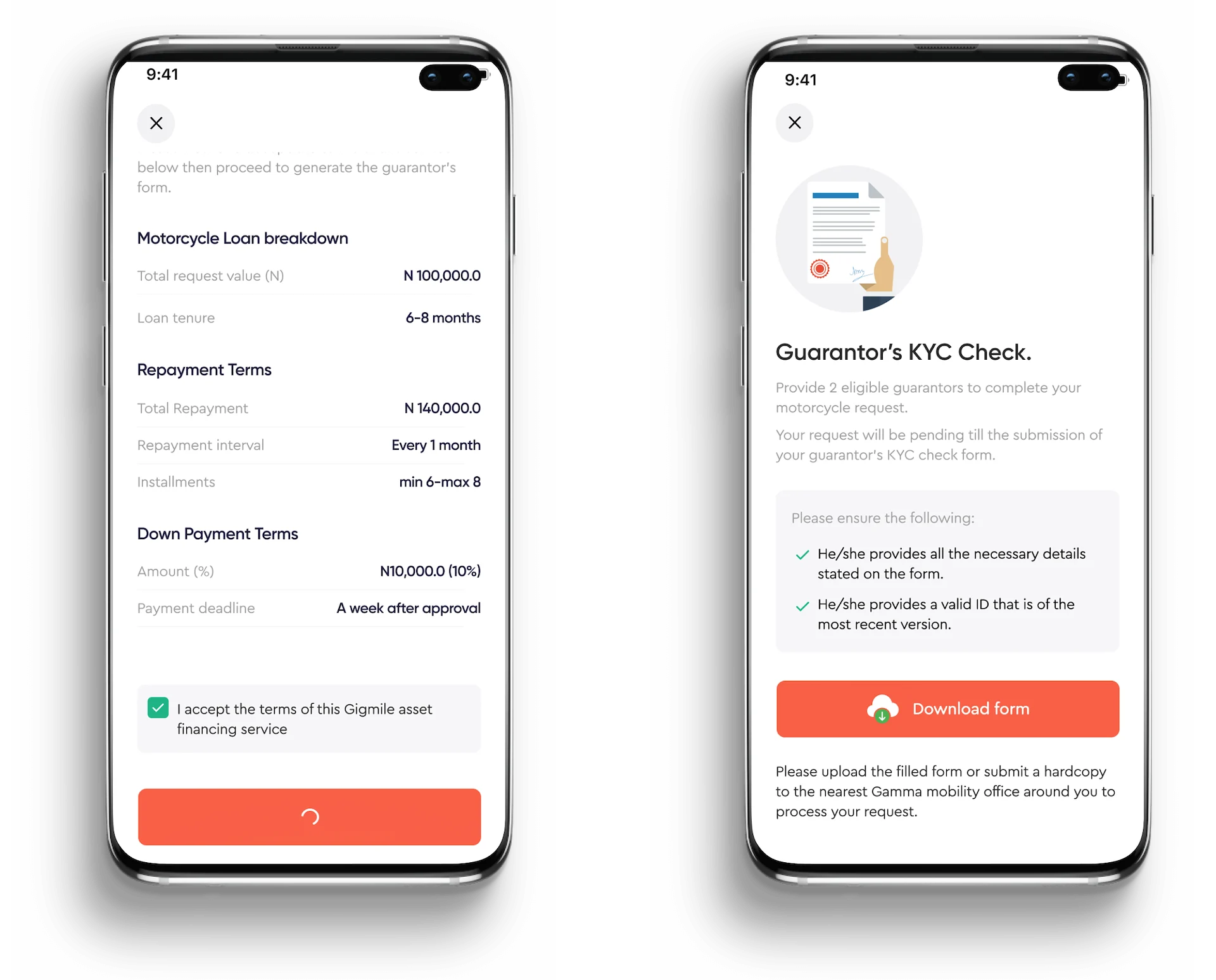
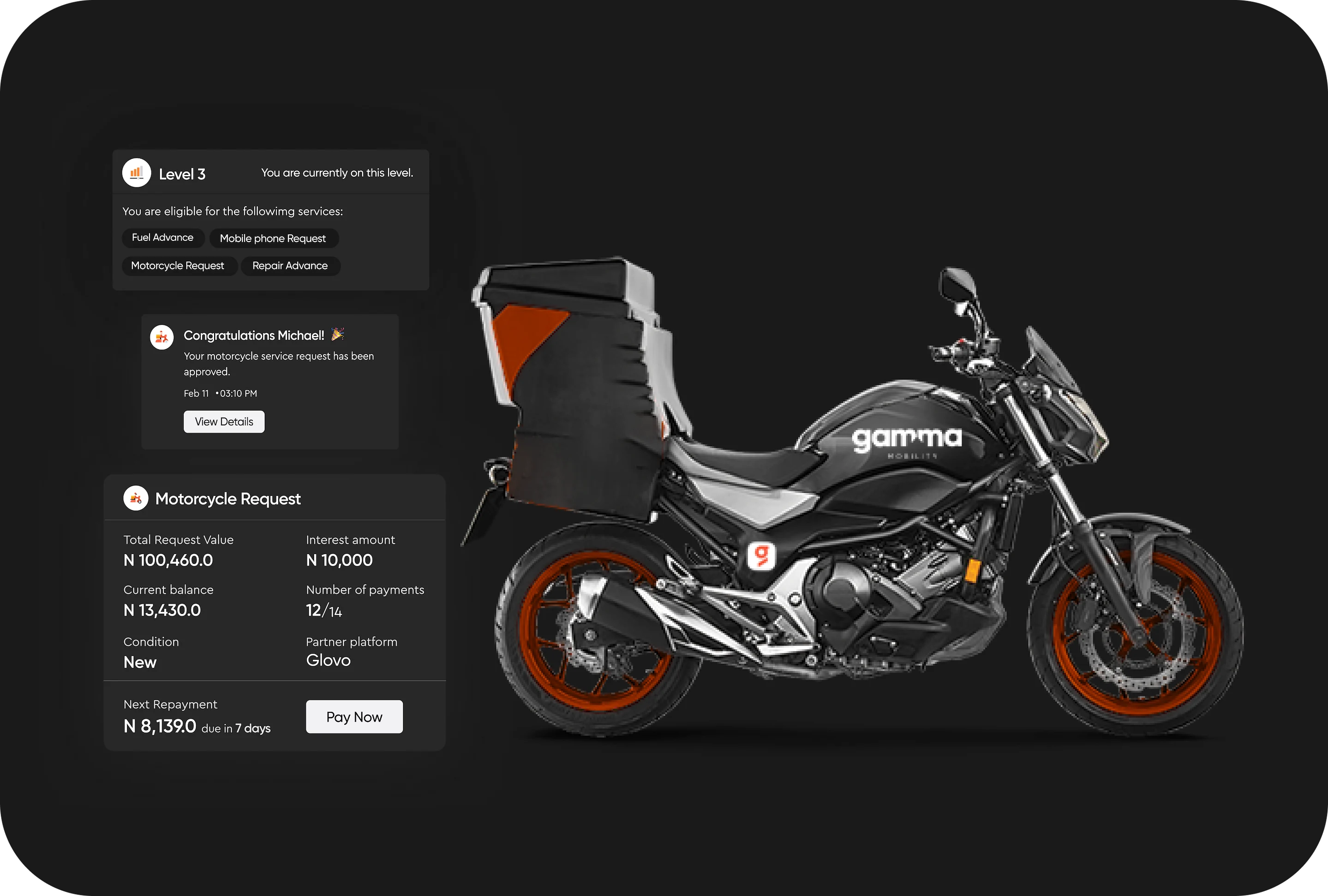
Asset request flow, credit scoring, and repayment terms
Working Capital
The working capital feature allows captains to request for working capital to fund their daily operations. This includes fuel, maintenance, and other operational costs. The flow is designed to be simple and intuitive, allowing captains to quickly request and receive the capital they need to keep working.
Captains can view their available working capital, request additional funds, and track their repayment schedule all within the app. The transparent breakdown of terms and conditions ensures captains always know exactly what they're agreeing to.
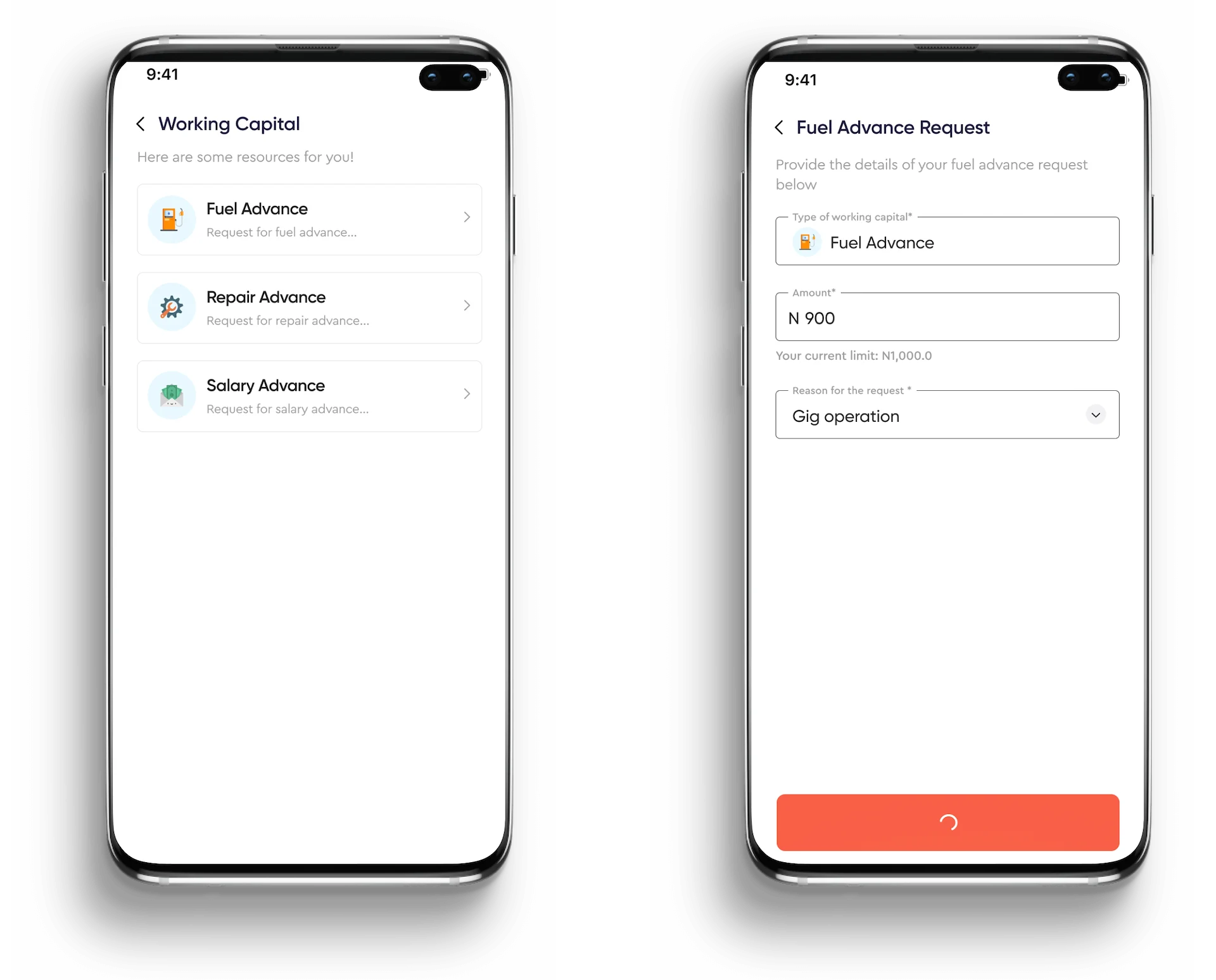
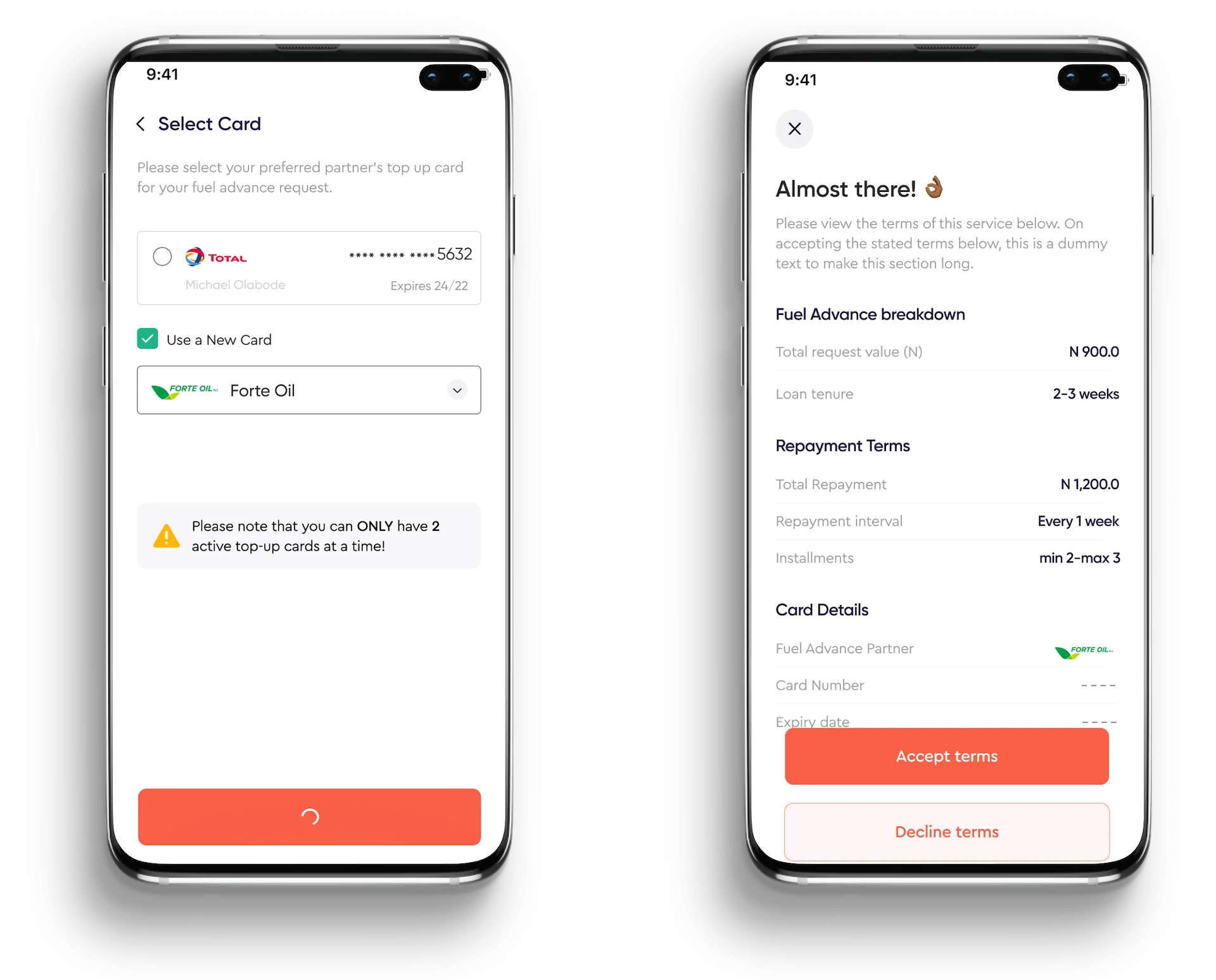
Working capital request, fund management, and repayment tracking
Next Project

05
Last Mile, Solved
KwikDrop · Lead Product Designer
Interested in working together?
I'm currently available for new projects and collaborations.